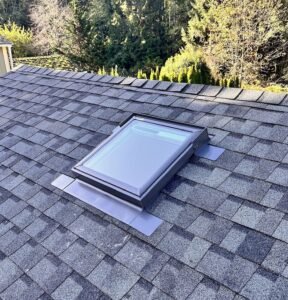
Roof replacement costs typically range from $5,700 to $16,000, with the national average around $10,000. Final pricing depends on roof size, materials, labor rates, location, and additional factors like roof pitch and tear-off requirements.
Replacing a roof is one of the biggest home improvement decisions homeowners face especially when leaks, storm damage, or aging shingles demand immediate action.
What are The Average Cost of Roof Replacement in California
Roof replacement costs in California are consistently higher than the national average due to regional economic and regulatory factors.
The average cost to replace a roof in California ranges from $9,000 to $25,000, with a statewide average of approximately $15,000. Costs vary based on roof size, roofing material, labor rates, local permit fees, and California energy and fire safety codes.
Average Cost of Roof Replacement
📍 California
AVERAGE $13,500 – $18,500
LOW END $7,000 – $9,500
HIGH END $23,000 – $30,000+
$9,000–$25,000 AVG
Typical California Roof Replacement Cost Breakdown
| Cost Component | Estimated Range |
| Total project cost | $9,000 – $25,000 |
| Cost per square foot | $4.50 – $12.00 |
| Labor | 40%–60% of total |
| Materials | 35%–55% of total |
| Permits & inspections | $250 – $1,500 |
California’s higher-than-average costs are driven by contractor licensing requirements, workers’ compensation insurance, and energy-efficiency mandates that don’t exist in many other states.
Roof Replacement Cost in California by Home Size
Roof size directly affects both material quantities and labor hours. Larger roofs also increase disposal, inspection, and permit costs.
Roof Replacement Cost by Roof Size in California
| Roof Size | Home Type | Estimated Cost Range |
| 1,120 sq ft | Condos, bungalows, older homes | $7,000 – $9,500 |
| 1,340 sq ft | Condos, bungalows, older homes | $8,000 – $10,500 |
| 1,565 sq ft | Small suburban homes | $9,000 – $12,000 |
| 1,790 sq ft | Small to mid-size suburban homes | $10,000 – $13,500 |
| 1,800 sq ft | Mid-size California homes | $10,500 – $14,000 |
| 2,235 sq ft | Mid-size suburban homes | $12,500 – $17,000 |
| 2,460 sq ft | Large suburban homes | $13,500 – $18,500 |
| 2,685 sq ft | Large homes, two-story properties | $15,000 – $20,000 |
| 2,910 sq ft | Two-story homes | $16,500 – $22,000 |
| 3,130 sq ft | Custom homes | $18,000 – $24,000 |
| 3,355 sq ft | Custom and luxury homes | $19,500 – $26,000 |
| 3,580 sq ft | Large custom homes | $21,000 – $28,000 |
| 3,805 sq ft | Luxury, multi-story properties | $23,000 – $30,000+ |
Roof Replacement Cost in California by Roofing Material
Choosing the right roofing material in California isn’t just about appearance — it’s about heat resistance, fire safety, energy efficiency, and durability.
| Roofing Material | Average Cost per Sq Ft (CA) | Lifespan | Key Benefits | Important Considerations |
| Asphalt Shingles | $4.50 – $7.50 | 20–30 years | Most affordable option, widely available, easy installation | Shorter lifespan under intense California sun |
| Metal Roofing | $9.00 – $15.00 | 40–70 years | Excellent heat reflection, high fire resistance, energy efficient | Higher upfront cost, professional installation required |
| Tile Roofing | $10.00 – $18.00 | 50+ years | Extremely durable, fire resistant, ideal for hot climates | Heavy material may require roof structure reinforcement |
| Slate Roofing | $15.00 – $30.00 | 75–100 years | Premium appearance, longest lifespan, very durable | High labor costs, structural upgrades often needed |
| Flat Roofing (TPO, Modified Bitumen, PVC) | $6.00 – $12.00 | 20–30 years | Common for modern homes, efficient for low-slope roofs | Requires expert drainage design and waterproofing |
Labor Costs for Roof Replacement in California
Labor is the single largest contributor to roof replacement costs in California.
Homeowners can expect roofing labor rates between $75 and $150 per hour, influenced by:
- State contractor licensing laws
- High workers’ compensation premiums
- OSHA safety requirements
- Union labor in metro areas
In high-cost regions like Los Angeles or San Francisco, labor alone may exceed $8,000–$12,000 for a full roof replacement.
Roof Replacement Cost by California Location
Geography plays a major role in pricing due to labor availability, permit costs, and regional demand.
Los Angeles Roof Replacement Cost
- $10,000 – $22,000
- High demand and dense permitting processes
San Diego Roof Replacement Cost
- $9,500 – $20,000
- Coastal corrosion-resistant materials may be required
San Francisco Roof Replacement Cost
- $12,000 – $28,000
- Steep rooflines, historic regulations, premium labor rates
Sacramento Roof Replacement Cost
- $8,500 – $18,000
- More affordable labor than coastal cities
Bay Area vs Inland California
Bay Area roof replacements typically cost 15%–30% more than inland regions due to higher labor and permit fees.
Additional Roof Replacement Costs in California
Hidden costs often surprise homeowners during roof replacement projects.
Roof Permits and Inspection Costs
Most California cities require permits costing $250 to $1,500, depending on project scope and municipality.
Tear-Off and Disposal Fees
Old roofing materials must be disposed of according to state regulations, adding $1,000–$3,000 in removal and landfill fees.
Structural Repairs and Decking Replacement
Damaged roof decking or framing can add $500 to $5,000+, especially in older homes.
Energy-Efficient Roofing Upgrades (Title 24)
California’s Title 24 code may require reflective “cool roof” materials, increasing costs by $500 to $2,500.
Solar Panel Removal and Reinstallation
Homes with solar panels often incur $1,500–$6,000 in additional labor.
California Roofing Codes and Regulations You Must Know
California roofing projects must comply with:
- Title 24 energy efficiency standards
- Fire-resistant material requirements in wildfire zones
- Local city and county permit rules
- HOA design restrictions
Non-compliance can delay projects, fail inspections, or invalidate warranties.
How to Reduce Roof Replacement Costs in California
Homeowners can reduce expenses by:
- Scheduling projects during slower seasons
- Selecting materials that already meet Title 24 standards
- Comparing multiple licensed contractor bids
- Exploring energy rebates and tax incentives
- Coordinating roof replacement with solar upgrades
Does Replacing a Roof Increase Home Value in California?
Yes — especially in competitive housing markets.
- Average ROI: 60%–70%
- Higher resale value in metro areas
- Faster home sales and stronger buyer confidence
A new roof often improves insurance eligibility and appraisal outcomes.
How to Get an Accurate Roof Replacement Quote in California
To get a realistic estimate, homeowners should prioritize a physical roof inspection conducted by a licensed contractor. For a quick online estimate, try our roof replacement cost estimator—it’s an easy way to get a ballpark figure based on your roof size, material, and project details. While online tools provide a baseline, an in-person estimate ensures accuracy and often includes a formal breakdown of labor charges, material quantities, and permits.
FAQs – Roof Replacement Cost in California
What is the cheapest roof to install in California?
Asphalt shingles are generally the least expensive roofing option, with low material costs and minimal labor requirements.
Can homeowners insurance cover roof replacement in CA?
Insurance may cover roof replacement if the damage is caused by a covered peril, such as a storm or fire. However, normal wear and tear is typically excluded.
Is roof replacement tax deductible in California?
In most cases, roof replacement is not tax-deductible for personal residences. However, there may be tax credits or rebates for energy-efficient roofing systems under specific programs.
How much does it cost to replace a 1500 sq ft roof in CA?
The estimated cost to replace a 1,500 sq ft roof in California ranges from $5,250 to $11,250, depending on material, location, and roof complexity
Final Thoughts – Planning for a Roof Investment
Roof replacement in California is a major investment influenced by numerous regional and structural factors. By understanding the range of costs, identifying influencing variables, and securing detailed estimates, homeowners can make better budgeting decisions and avoid unforeseen costs.