Choose roof repair if the damage is limited to a small area, the roof is structurally sound, and the materials are still within their expected lifespan. Choose roof replacement if the roof is over 15–20 years old, the damage is widespread or recurring, or structural components like the decking or flashing are compromised. Making the decision between roof repair and replacement requires an understanding of key factors like roof age, extent of damage, and long-term costs. Homeowners often face this choice when visible damage occurs or during routine inspections. While roof repair can resolve isolated issues at a lower upfront cost, roof replacement may offer a more sustainable solution when structural concerns or aging materials are involved.
What Is Roof Repairing ?
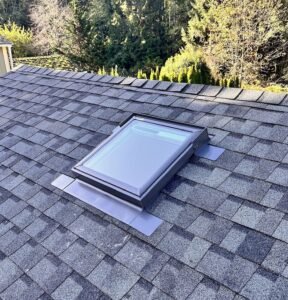
Roof repairing is the process of fixing specific damaged sections of your roof without replacing the entire structure. It targets problem areas — broken shingles, leaks, damaged flashing, or cracked seals — before they escalate into costly structural damage.
Unlike a full roof replacement, repair is faster, more affordable, and less disruptive. It works best when damage is caught early and limited to isolated areas. A small leak left unattended becomes a rotting deck. A few missing shingles left exposed invites moisture, mold, and interior damage.
Roof repair is your first line of defense against minor damage turning into a major expense. The right time to repair is now — before the problem spreads and replacement becomes your only option.
What Is Roof Replacement?
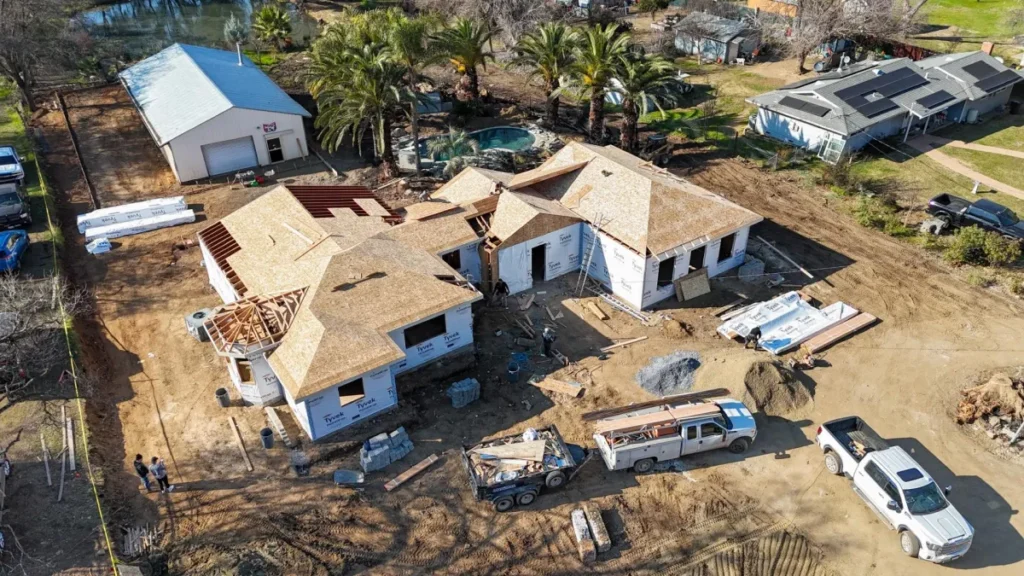
Roof replacement is the process of completely removing your existing roof and installing a brand new one from scratch. Unlike repair, it addresses the entire roofing system — decking, underlayment, shingles, and flashing — not just damaged sections.
Roof Replacement becomes necessary when damage is widespread, the roof has exceeded its lifespan, or repairs are no longer cost-effective. A aging roof with persistent leaks, sagging sections, or extensive storm damage is a clear sign replacement is overdue.
While the upfront cost is higher, a full replacement delivers long-term protection, improved energy efficiency, and increased home value. It is the smartest investment when your roof is beyond saving. Choosing replacement at the right time prevents bigger structural damage and saves you more money in the long run.
Pros and Cons of Roof Repair vs Roof Replacement
Deciding between roof repair and replacement requires a careful evaluation of the advantages and disadvantages of each. The following table outlines the pros and cons to help homeowners determine which path aligns best with their needs, budget, and long-term plans.
| Option | Pros | Cons |
| Roof Repair | Lower upfront costs, minimal disruption, quicker turnaround | May not resolve underlying structural issues, potentially recurring repairs |
| Extends the life of an existing roof temporarily | Aesthetic inconsistencies in materials | |
| Useful for isolated damage or storm-related issues | Limited or no warranty coverage on older roofs | |
| Roof Replacement | Long-term solution with modern materials and energy efficiency | Higher initial investment |
| New warranty coverage (20–50 years typical) | Requires more time and labor | |
| Boosts resale value and curb appeal | May involve permits and temporary relocation |
Cost Comparison: Roof Repair vs Replacement
Cost plays a major role in determining the right solution. Below is a comparison table that outlines typical pricing ranges based on project scope and material types. These figures are estimates and can vary by region, roof complexity, and contractor rates.
| Project Scope | Roof Repair (Est.) | Roof Replacement (Est.) |
| Shingle Patch (1–3 sq. ft) | $150 – $400 | – |
| Flashing Repair / Leak Sealing | $300 – $800 | – |
| Partial Tile Replacement (5–10 tiles) | $500 – $1,000 | – |
| Full Roof Replacement (Shingle) | – | $5,000 – $12,000 |
| Full Roof Replacement (Tile/Metal) | – | $10,000 – $25,000 |
| Routine Maintenance / Inspection | $150 – $300 | Not required for new systems |
| Long-term Repair Costs (10 years) | High | Low to none |
Factors That Influence the Repair vs Replacement Decision
Age of the Roof
Most roofing systems have a lifespan of 15–30 years, depending on materials. Asphalt shingles last 20 years on average, while metal and slate can last 40–70 years. Once the roof approaches end-of-life, replacement is the more practical investment.
Type and Extent of Damage
Isolated issues like small leaks or missing shingles can be repaired. However, widespread damage, including water intrusion, deck rot, or truss failure, generally necessitates replacement.
Roofing Material Used
Durability and replacement feasibility vary by material. Slate and metal roofs are expensive to repair due to material sourcing and labor. Shingle roofs are more repair-friendly, but less durable in the long term.
Long-Term Plans
If planning to stay in the home for the next 10+ years, replacement provides better value and peace of mind. If moving soon, a well-executed repair may be adequate to satisfy a home inspection.
Energy Efficiency and Insulation
Older roofs may lack adequate ventilation and insulation. A new roofing system improves energy efficiency, reducing HVAC strain and monthly utility costs.
Insurance and Warranty Considerations
Damage from storms or accidents may be covered under homeowner insurance policies, influencing the affordability of full replacement. New roofs often come with extended warranties, while repairs typically do not.
When Is Roof Repairing the Best Option?
Roof repair is a viable solution when issues are localized and the overall roofing system is still performing well. Common scenarios include minor leaks, missing shingles, or damaged flashing around chimneys or vents. These types of repairs can often be completed quickly, with minimal disruption and lower cost.
If the underlying roof deck remains intact and the materials are under warranty or within expected service life, repairing can extend the life of the roof by several years. This is especially true for newer roofs or those made of long-lasting materials like metal or tile, which may only require spot fixes.
Another consideration is the short-term financial outlook. If you’re not planning to stay in the home long-term, and the roof can be made weather-tight with repairs, this can delay the need for a larger investment.
However, it’s important to monitor for signs of recurring issues. If you find yourself calling for repairs repeatedly, this could be a red flag that a larger failure is developing beneath the surface.
When Should You Replace the Roof Entirely?
Roof replacement is the more appropriate option when a roof has reached or exceeded its expected lifespan. Usually 20–25 years for asphalt shingles, or the damage affects more than 25% of the surface area. Indicators such as sagging rooflines, visible mold or rot, or multiple active leaks often signal deeper issues that repair alone cannot resolve.
In cases where the roofing structure, including the decking, trusses, or support beams, has been compromised due to moisture infiltration or age, replacement ensures a complete reset of the system. This also presents an opportunity to upgrade to more energy-efficient materials, add ventilation systems, or improve insulation, enhancing the home’s performance.
Homeowners planning to stay in their homes long-term often find that replacement pays off over time through reduced maintenance needs, improved curb appeal, and increased resale value. Moreover, new roofing installations typically come with extended warranties, offering peace of mind that repairs may no longer be a recurring issue.
Why Hiring Experts for Roof Replacement Matters
Replacing a roof is a complex process that requires proper planning, structural inspection, and precise installation. Poor installation can lead to ventilation problems, premature material failure, and recurring leaks. For this reason, many homeowners rely on professional roof replacement services to ensure the new roofing system is installed correctly and built to last.
Conclusion: Making the Right Roofing Decision
The decision between roof repair and replacement hinges on a combination of factors including age, damage severity, material type, budget, and future property plans. A well-timed roof repair can preserve the life of a relatively young roof and prevent minor issues from escalating. Conversely, a proactive roof replacement can eliminate recurring problems, improve energy efficiency, and increase home resale value.
Homeowners should always start with a qualified roof inspection to assess the condition and risk factors present. Where feasible, comparing short-term savings versus long-term costs helps guide a financially sound and structurally safe decision.
For peace of mind and optimal return, align your roofing choice with the expected lifespan of materials, extent of damage, and the anticipated duration of homeownership.
FAQs About Roof Repair vs Replacement
How do I know if I need a roof repair or a full replacement?
A professional inspection is the most accurate method to determine the best course of action. Signs that suggest to call emergency full service of roof repair include localized damage, such as a few missing shingles, or a recent minor leak. However, if there are multiple leaks, sagging, or the roof is over 15–20 years old, a roof replacement is likely the more effective and long-lasting solution.
Is roof replacement a good investment before selling a house?
Yes, particularly if the current roof is aged or visibly worn. A new roof significantly boosts curb appeal, may increase buyer interest, and often raises the market value of the property. It also helps streamline home inspections, reducing buyer objections or price negotiations.
Can I repair just part of my roof?
Yes, partial roof repairs are appropriate when the damage is confined to a specific section and the remaining roof is in good condition. This is common with wind-blown shingles, damaged flashing, or minor leaks. However, patchwork repairs may be noticeable, especially on older or faded roofs, potentially impacting aesthetics.
Does homeowners insurance cover roof repairs or replacements?
It depends on the cause of the damage. If the damage is due to a covered peril like wind, hail, or falling debris, insurance may pay for repairs or even full replacement. However, wear and tear or lack of maintenance typically are not covered. Review your policy exclusions and consult your insurance provider for specific details.
How long does it take to replace a roof?
Most residential roof replacements take between 1 and 3 days, depending on the roof size, weather conditions, and crew availability. Larger or more complex roofs—such as those with multiple ridges, valleys, or chimneys—may take longer.