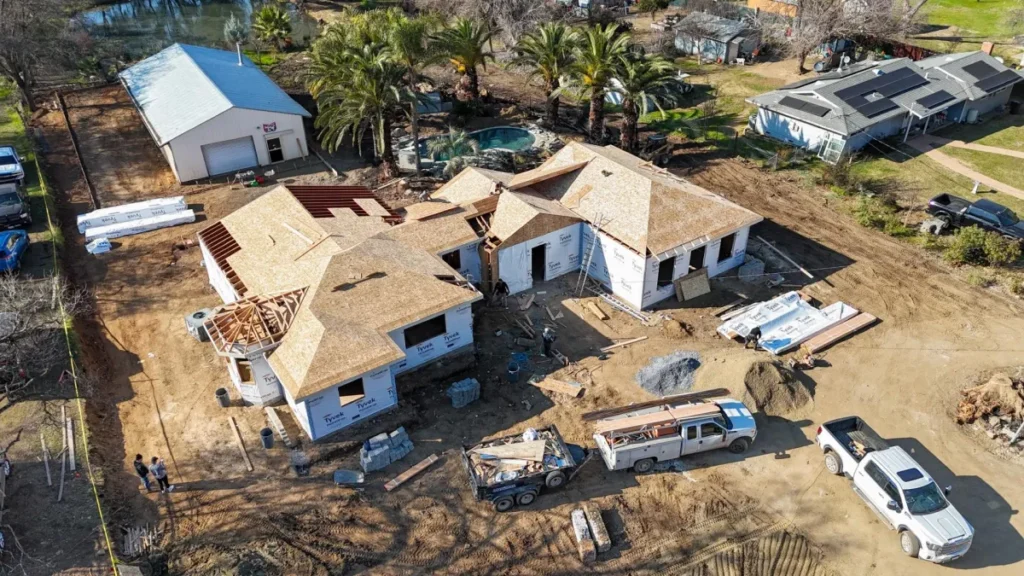
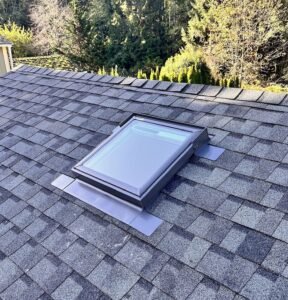
A roof replacement timeline in California varies based on project complexity, local regulations, and contractor scheduling. While the physical installation may only take a few days, the full process often includes inspections, permits, and material coordination that extend the overall timeframe. Comprehending these factors helps homeowners anticipate delays, plan around construction activity, and make informed decisions before starting a roof replacement project.
Comprehending Roof Replacement Timelines in California
A roof replacement project in California is not measured only by installation days. The full timeline includes pre-construction planning, municipal approvals, and post-installation sign-offs, all of which contribute to total project length.
Average Roof Replacement Duration for California Homes
For most single-family residential homes, the active construction phase of a roof replacement lasts between 1 and 5 working days. However, when factoring in permit processing, material delivery, and inspection scheduling, the total timeline often spans 2 to 4 weeks from initial inspection to final approval.
Smaller asphalt shingle roofs tend to fall on the shorter end, while tile roofs and metal roofing systems require additional labor and setup time. Homes located in coastal zones, wildfire-prone areas, or HOA-regulated communities frequently experience extended timelines due to compliance requirements.
Factors That Influence Roofing Project Length
Several timeline-impacting variables determine how quickly a roofing project progresses. These include roof size, roof pitch, existing structural damage, and crew availability. Older homes often reveal hidden issues such as dry rot, damaged decking, or outdated ventilation, all of which add repair days.
External factors also play a role. Weather conditions, seasonal demand, and city inspection backlogs can pause work even after installation has begun. In California, permit-dependent milestones are among the most common sources of delay.
Why California Roofing Timelines Differ From Other States
California enforces some of the most detailed building and energy regulations in the country. Title 24 energy standards, fire-resistance requirements, and cool roof mandates directly affect both material selection and installation sequencing.
In contrast to states with fewer restrictions, California roofing contractors must coordinate with local building departments, fire authorities, and sometimes environmental agencies. These additional compliance layers extend the overall roof replacement lifecycle, even when the physical labor itself is efficient.
Pre-Project Phase: What Happens Before Roof Replacement Begins
Before the first shingle or tile is removed, a roofing project enters a planning and authorization phase. This stage is critical, as delays here often ripple through the entire schedule.
Initial Roof Inspection and Damage Assessment
The timeline begins with a professional roof inspection, where contractors evaluate roof age, material condition, and structural integrity. This assessment identifies visible wear as well as potential underlayment failure, decking deterioration, or ventilation deficiencies.
Accurate inspections reduce the risk of mid-project surprises, which are a leading cause of extended timelines. In California, inspectors also check for code compliance gaps that must be corrected during replacement.
Roofing Estimates, Contracts, and Scheduling
Following inspection, homeowners receive a roofing estimate outlining scope of work, materials, labor costs, and project duration. Once the roofing contract is signed, the project enters the contractor’s production schedule.
Scheduling depends on crew availability, permit timelines, and material lead times. During peak roofing seasons, start dates may be booked several weeks out, even after contracts are finalized.
Material Selection and Ordering Timelines
Material choice directly affects how soon installation can begin. Standard asphalt shingles are usually stocked locally, while tile roofing, metal panels, and cool roof systems may require custom orders or manufacturer lead times.
California’s energy efficiency requirements can limit acceptable material options, making early selection essential. Delays in this phase often stem from backordered materials or last-minute specification changes.
California Roofing Permits and Approval Process
Most California municipalities require a roof replacement permit, even when no structural changes are planned. Contractors submit permit applications to the local building department, triggering a review process that may take several days to multiple weeks.
Permit approval is a prerequisite for tear-off in many jurisdictions. In areas with strict code enforcement, work cannot legally begin until permits are issued, making this step one of the most influential factors in the overall roof replacement timeline.
Day by Day Roof Replacement Process Described
The roof replacement process unfolds in a predictable sequence, though not every home follows the same number of days. The breakdown below reflects a typical California residential roofing project, assuming permits are approved and materials are available.
Day 1 – Job Site Setup and Roof Tear-Off
The first construction day begins with job site preparation, including property protection, safety barriers, and debris containment systems. Contractors place dumpsters, cover landscaping, and establish access points for materials and equipment.
The main task is roof tear-off, where existing shingles, tiles, or metal panels are removed down to the roof decking. This phase is often the loudest and most disruptive but is usually completed within a single day for standard homes.
Day 2 – Roof Decking Inspection and Structural Repairs
Once the roof is exposed, contractors perform a decking inspection to evaluate plywood or OSB sheathing. Any signs of water damage, dry rot, or structural weakness must be addressed before installation continues.
Necessary deck repairs or partial re-sheathing are completed during this phase. These repairs are one of the most common reasons a roof replacement timeline extends beyond initial estimates, especially in older California homes.
Day 3 – Underlayment, Flashing, and Waterproofing Installation
After the decking is approved, crews install roof underlayment, which serves as the primary waterproofing barrier. Many California projects require synthetic underlayment or self-adhering membranes for enhanced moisture protection.
This day also includes installation of roof flashing, drip edges, and valley protection systems. Proper execution here is critical for long-term performance and must meet California building code standards.
Day 4 – Shingle, Tile, or Metal Roof Installation
The visible portion of the roof takes shape during the roof covering installation phase. Depending on the material, this may involve asphalt shingle placement, tile alignment, or metal panel fastening.
Asphalt systems often progress quickly, while tile roofs and metal roofing systems require precise layout and fastening techniques. Crew size and roof complexity strongly influence how much is completed in a single day.
Day 5 – Ventilation, Ridge Caps, and Detail Work
This stage focuses on roof ventilation systems, including ridge vents, static vents, or powered attic fans, depending on design requirements. Proper ventilation is essential for Title 24 energy compliance.
Contractors also complete ridge cap installation, edge detailing, and sealant application. These finishing elements ensure the roof meets both performance standards and manufacturer warranty conditions.
Day 6 – Final Cleanup, Walkthrough, and Completion
The final day includes job site cleanup, nail sweeps, and removal of debris containers. Contractors conduct a final walkthrough with the homeowner to confirm workmanship and address questions.
At this stage, the roof is functionally complete, though the project may remain open pending final inspection approval from the local authority.
How Roofing Material Choice Affects the Timeline
Material selection is one of the most influential factors in a roof replacement schedule. Each system carries different labor demands and inspection requirements.
Asphalt Shingle Roof Replacement Timeframe
An asphalt shingle roof replacement is typically the fastest option, often completed in 1 to 3 days of active work. These materials are lightweight, widely available, and require fewer specialized installation steps.
Because asphalt systems are familiar to inspectors and contractors, they often move through permit and inspection stages more efficiently.
Tile Roof Replacement Timeline in California
A tile roof replacement generally takes longer due to material weight, manual placement, and structural considerations. Projects often span 4 to 7 working days, especially if deck reinforcement is required.
Tile systems are common in California but must meet seismic, fire-resistance, and energy efficiency standards, all of which add time.
Metal Roofing Installation Duration
A metal roofing system falls between asphalt and tile in terms of timeline. Installation usually requires 3 to 5 days, depending on panel type and roof geometry.
Metal roofs often involve custom fabrication, which can extend the pre-installation phase even if on-site labor is efficient.
Cool Roof and Energy-Efficient Roofing Considerations
California’s cool roof requirements can affect both material selection and approval timelines. Reflective coatings, specialized shingles, and energy-rated tiles must meet Title 24 documentation standards.
Additional verification steps may be required during inspection, particularly in jurisdictions with strict energy code enforcement.
Inspections, Codes, and Compliance in California
No roof replacement is officially complete without meeting regulatory and inspection requirements. These steps often occur alongside or immediately after installation.
California Building Codes and Title 24 Requirements
All roofing projects must comply with California Building Codes, including structural standards, fire ratings, and energy efficiency benchmarks. Title 24 compliance ensures the roof contributes to reduced heat gain and improved building performance.
Failure to meet these standards can result in rework orders, significantly extending the project timeline.
Fire-Resistant and Wildfire Zone Roofing Rules
Homes located in wildfire-prone areas must use fire-resistant roofing materials and installation methods approved for high-risk zones. These rules influence both material availability and inspection scrutiny.
Additional documentation or inspections may be required before final approval is granted.
City and County Roofing Inspections Described
Most municipalities require at least one final roofing inspection, though some require mid-project inspections after underlayment installation. Scheduling depends on local inspector availability, which can vary widely by region.
Inspection delays are common in high-demand seasons and can keep a project open even after physical work is finished.
HOA and Coastal Zone Approval Timelines
Properties governed by homeowners associations or located in coastal zones may require separate approvals. HOA architectural review boards and coastal commissions can add weeks to the pre-project timeline if not addressed early.
These approvals are external to city permits but are often mandatory for compliance.
Common Delays That Can Extend a Roof Replacement Timeline
Even with careful planning, a roof replacement timeline can shift due to factors beyond a contractor’s control. Understanding these risks helps homeowners anticipate changes and respond proactively.
Weather Delays and Seasonal Considerations
Although California is known for mild weather, rain events, high winds, and extreme heat can temporarily halt roofing work. Installation cannot proceed safely during wet conditions, especially during tear-off phases.
Seasonal demand also plays a role. During peak roofing months, crew availability and inspection scheduling may slow overall progress.
Permit or Inspection Scheduling Delays
A common source of delay is municipal scheduling, particularly for final inspections. Local building departments may have limited staffing or backlogs, extending the time between installation completion and official sign-off.
In some jurisdictions, roofing crews cannot move to the next phase without documented inspection approval.
Hidden Damage and Unexpected Repairs
Once tear-off begins, contractors may uncover water intrusion, dry rot, or structural deficiencies not visible during initial inspections. These discoveries require change orders and additional repair days.
While frustrating, addressing hidden damage is essential for long-term roof performance and warranty validity.
Material Backorders and Supply Chain Issues
Certain roofing materials, particularly custom tiles, metal panels, or energy-rated products, may experience availability delays. Supply chain disruptions can pause projects even after permits are secured.
Early material ordering is one of the most effective ways to reduce this risk.
Can You Live in Your Home During Roof Replacement?
Most homeowners remain in their homes during a roof replacement project, but the experience varies depending on project scope and personal tolerance.
Noise, Safety, and Daily Disruptions
The most disruptive period is roof tear-off, which involves loud noise and vibration. Hammering, material movement, and debris removal are common throughout installation days.
Professional crews follow worksite safety protocols, but homeowners should limit outdoor access during active work hours.
Protecting Landscaping, Driveways, and Property
Reputable contractors implement property protection measures, including tarps, plywood shields, and debris containment systems. These steps reduce the risk of damage to landscaping, vehicles, and hardscapes.
Discussing protection plans before work begins helps set clear expectations.
What Homeowners Should Prepare Before Work Begins
Preparation includes clearing driveways, securing fragile items, and notifying neighbors about potential noise. Homeowners should also plan for pet safety and temporary parking adjustments.
These small steps help the project move smoothly and minimize daily inconvenience.
How Long Does a Roof Replacement Take From Start to Finish?
When viewed holistically, a roof replacement project extends beyond installation days alone.
Timeline Breakdown From Inspection to Completion
From initial inspection to final inspection approval, most California roof replacements take 2 to 6 weeks. This includes planning, permitting, material ordering, installation, and inspections.
Projects with HOA involvement, coastal regulations, or structural repairs often fall on the longer end of this range.
One-Day vs Multi-Day Roofing Projects
Some asphalt shingle roofs qualify as one-day installations, but this refers only to installation labor, not the full project lifecycle. Multi-day projects are common and often indicate greater attention to detail, not inefficiency.
Timeline length should be evaluated in context of quality standards and compliance requirements.
Residential vs Complex Roofing Projects
Homes with steep slopes, multiple rooflines, or specialty materials require additional labor and coordination. These complexities increase both installation days and inspection scrutiny.
Complex projects benefit most from detailed pre-planning.
Cost, Labor, and Scheduling Factors That Impact Timelines
Project economics influence how work is staffed and scheduled.
Crew Size and Labor Availability
Larger roofing crews can complete installations faster, but availability varies by season and contractor workload. High-demand periods may limit scheduling flexibility.
Roofing Contractor Experience and Workflow
Experienced contractors follow efficient workflow systems, reducing downtime between phases. Familiarity with local permitting offices and inspection procedures can significantly shorten timelines.
Change Orders and Scope Adjustments
Any modification to the original scope introduces additional coordination, approvals, and labor. Clear contracts and thorough inspections help minimize these disruptions.
Final Walkthrough, Warranty, and Post-Installation Steps
The final phase ensures the roof is complete, compliant, and protected long-term.
Final Inspection and Sign-Off
A final inspection by the local authority confirms code compliance. Once approved, the project is officially closed.
Homeowners should retain all inspection records for future reference.
Roofing Warranty Coverage and Documentation
Contractors provide workmanship warranties, while manufacturers issue material warranties. Proper installation and documentation are required for warranty validity.
Understanding warranty terms helps protect the investment.
Maintenance Tips After Roof Replacement
Regular visual inspections, gutter cleaning, and prompt repair of minor issues extend roof lifespan. Preventative maintenance reduces the likelihood of premature replacement.
Roof Replacement FAQs
A roof replacement project can positively impact home insurance premiums, especially when older materials are upgraded to fire-resistant roofing systems. Many insurers view a new roof as a reduced risk factor, particularly in wildfire-prone regions. Homeowners should notify their provider after completion to ensure updated coverage records.
In most cases, a roof replacement is considered a capital home improvement and is not immediately tax-deductible. However, energy-efficient upgrades that meet federal or state incentive criteria may qualify for tax credits or rebates. Consulting a tax professional is recommended for eligibility confirmation.
For California homeowners, scheduling a roof replacement service typically requires 2 to 8 weeks of lead time, depending on season and contractor demand. High-demand periods can extend wait times, especially for specialized materials or large projects. Early planning increases scheduling flexibility and material availability.
Homes with solar panel systems require additional coordination during a roof replacement project. Panels are usually removed and reinstalled by certified professionals, which adds time and cost. Proper coordination ensures roof warranties and solar equipment warranties remain valid.
A new roof can significantly improve home resale value, particularly in competitive California markets. Buyers often view a recent roof installation as a major advantage due to reduced future maintenance costs. Updated roofing also improves home inspection outcomes during real estate transactions.
Most professional contractors offer project communication protocols, including daily updates or milestone check-ins. These updates may cover installation progress, inspection scheduling, and weather-related changes. Clear communication reduces homeowner uncertainty throughout the project lifecycle.